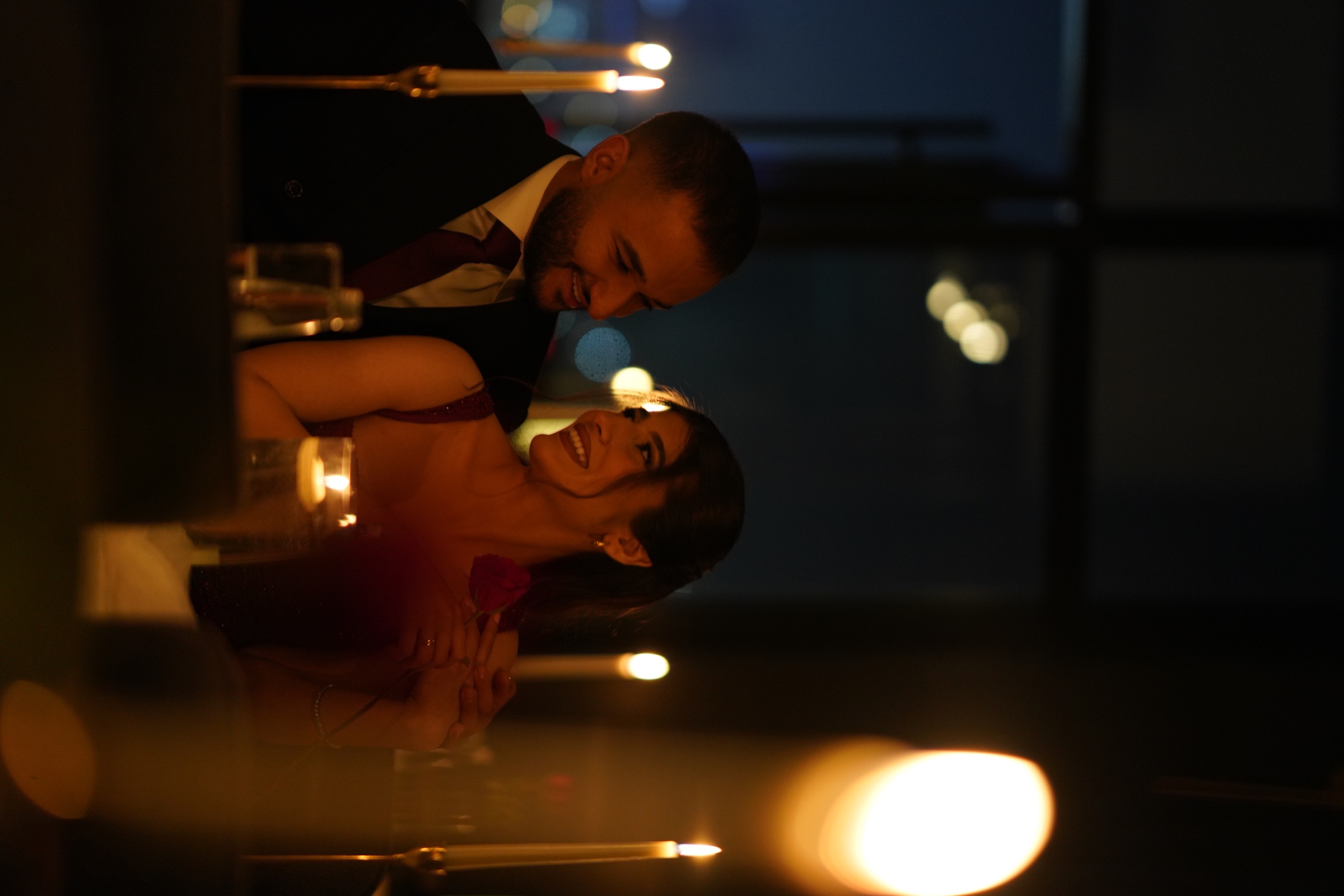
ܚܘܒܐ
◆
Ninos & Ashurena
◆
16 October 2026
Assyria, Iraq
—
·
—
·
—
·
—
ܚܘܒܐ
16 October 2026
Assyria, Iraq
ܐܬܘܪ
Between two rivers, the world first learned to dream.
In the land now called Iraq, what the ancients named Bet-Nahrain, the land between the rivers, the Assyrians built the first great civilisation the earth had ever known.
They pressed the first written words into clay. They mapped the stars, named the constellations, codified the first laws, and raised cities whose names still resound through scripture: Nineveh. Ashur. Nimrud.
The Assyrians were not a people of one age. They were one of the first nations to adopt Christianity & still speak Aramaic today, the language of Christ. While Assyrians are now a small minority, this heritage remains rooted.
We are excited to invite you not just to our special day, but our special homeland.
Welcome to the cradle of civilisation.
ܐܪܕܢ · ܣܘܠܛܢ ܡܕܘܟܬ
318 AD · Araden
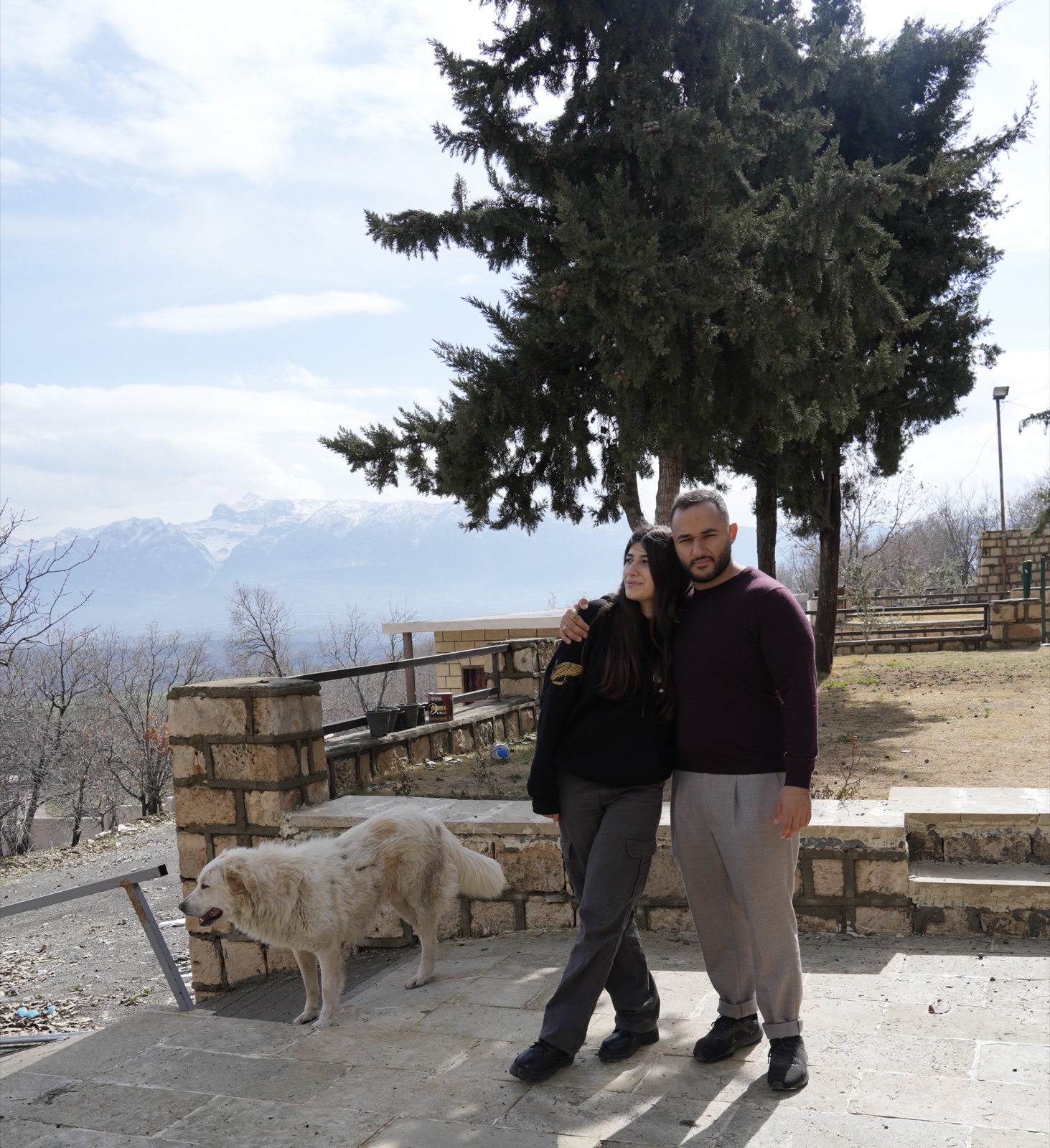
Araden is an ancient Assyrian village where Ninos' ancestors have lived for centuries. In Aramaic, it translates to the Land of Eden, Ara'd Eden. Nestled in the Sapna Valley of the Assyrian mountains at 1,120 metres above sea level, Araden is believed to rest on the very ground referenced in the earliest pages of the Old Testament. This is the village of Ninos's father. This is where the blessing will begin.
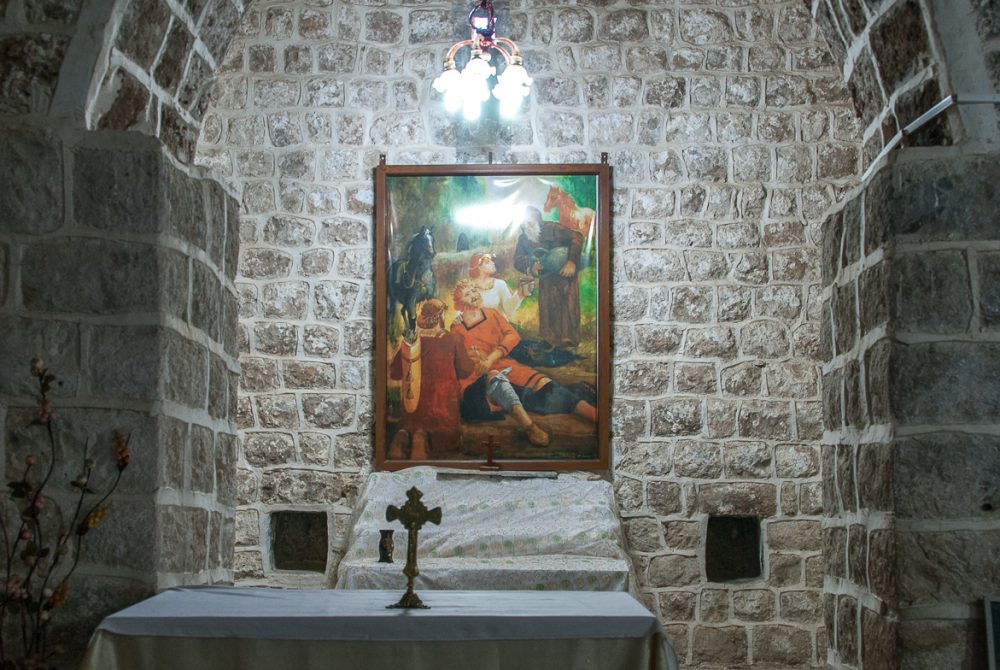
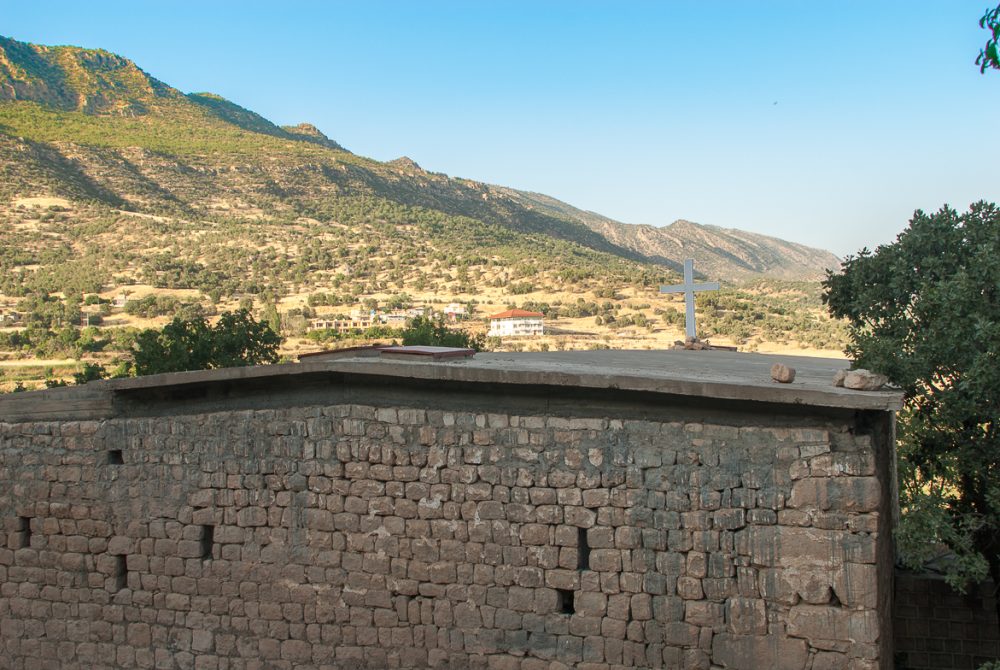
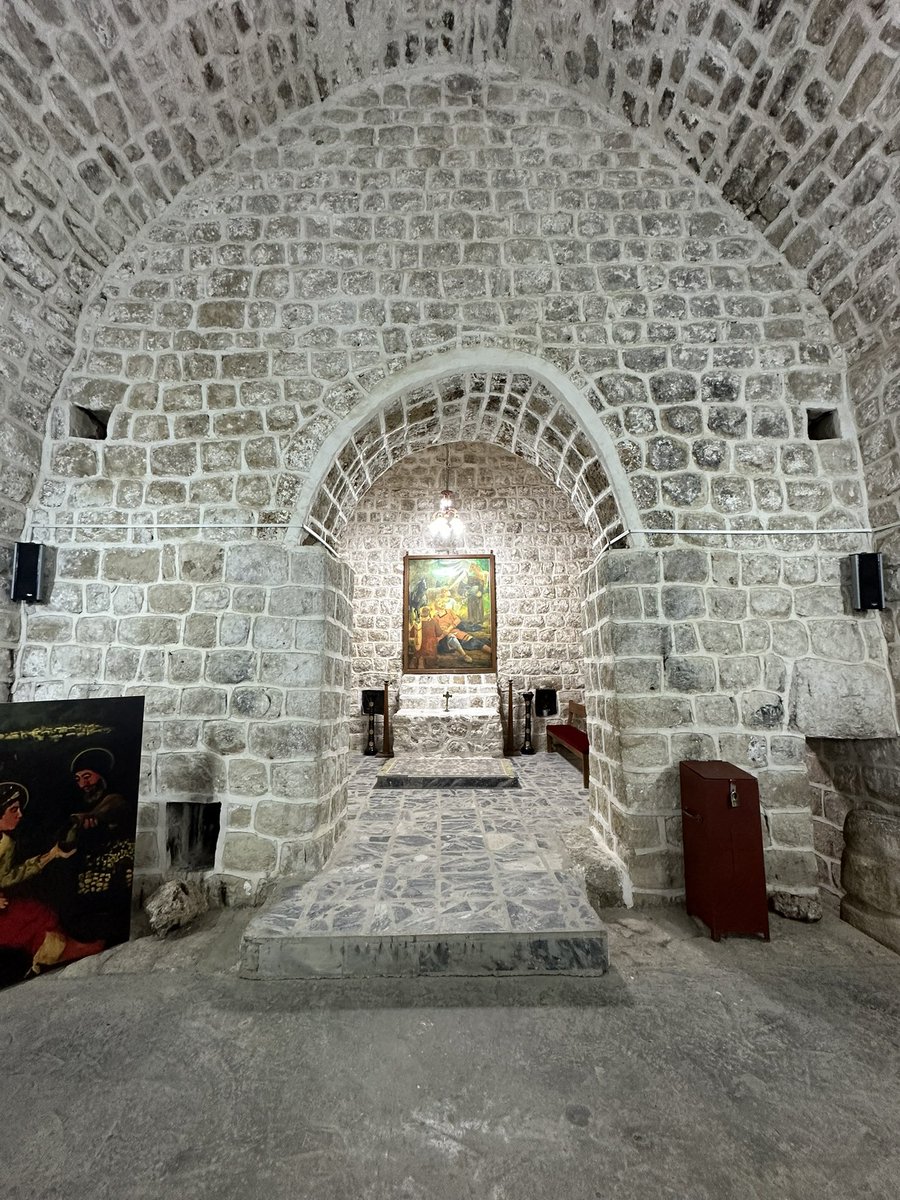
Sultana Mahdokht was a 4th-century Assyrian Christian martyr of noble birth, one of countless faithful put to death during the great persecution of Christians under the Persian King Shapur II. She was killed on the 2nd of October, 318 AD, and this church was built in her honour on the very ground she was martyred on.
Two adjoining stone chambers with ancient barrel vaults. Funeral niches cut into the walls. A baptismal font worn smooth by centuries of use. On October 16th, our marriage will be blessed on this very stone — in one of the oldest Christian sites in the world.
ܒܘܪܟܐ
The Blessing
In the ancient Assyrian tradition, the Burakha is the sacred heart of marriage — the moment a love is placed, with open hands, before God. It will be unlike anything you have attended before.
I
16 October 2026
In Assyrian tradition, the groom's side gathers at his family home & drives to the bride's home for the Palata'd Kalo — the departure of the bride. After this, we will drive to Araden by bus for the Church Ceremony. We will then enjoy a soiree before returning to Erbil.
Dress code: Formal.
III
18 October 2026
For guests who will stay in Erbil, we will spend an additional day on activities & exploration. We may visit some other ancient Assyrian sites & spend a final dinner together.
Kindly reply by 20 September 2026
Fly into Erbil International Airport (EBL) — served by airlines connecting through Istanbul, Doha, Dubai, and Amman. The Kurdistan Region maintains its own international gateway, entirely separate from Baghdad.
The Kurdistan Region of Iraq is safe and welcoming to international visitors. Most nationalities can obtain a visa on arrival at Erbil International Airport. This is the link to obtain the e-visa beforehand (extremely simple process).
Erbil — the capital of the Kurdistan Region, with excellent hotels across all price ranges, a lively city, and a 6,000-year-old citadel at its heart.
Ankawa — an Assyrian Christian neighbourhood on the western edge of Erbil. Quieter, smaller, and deeply connected to the world you are here to discover.
A coach will depart from central Erbil on the morning of October 16th, travelling through the mountain roads to Araden. Transport is provided — all you need to do is be there.
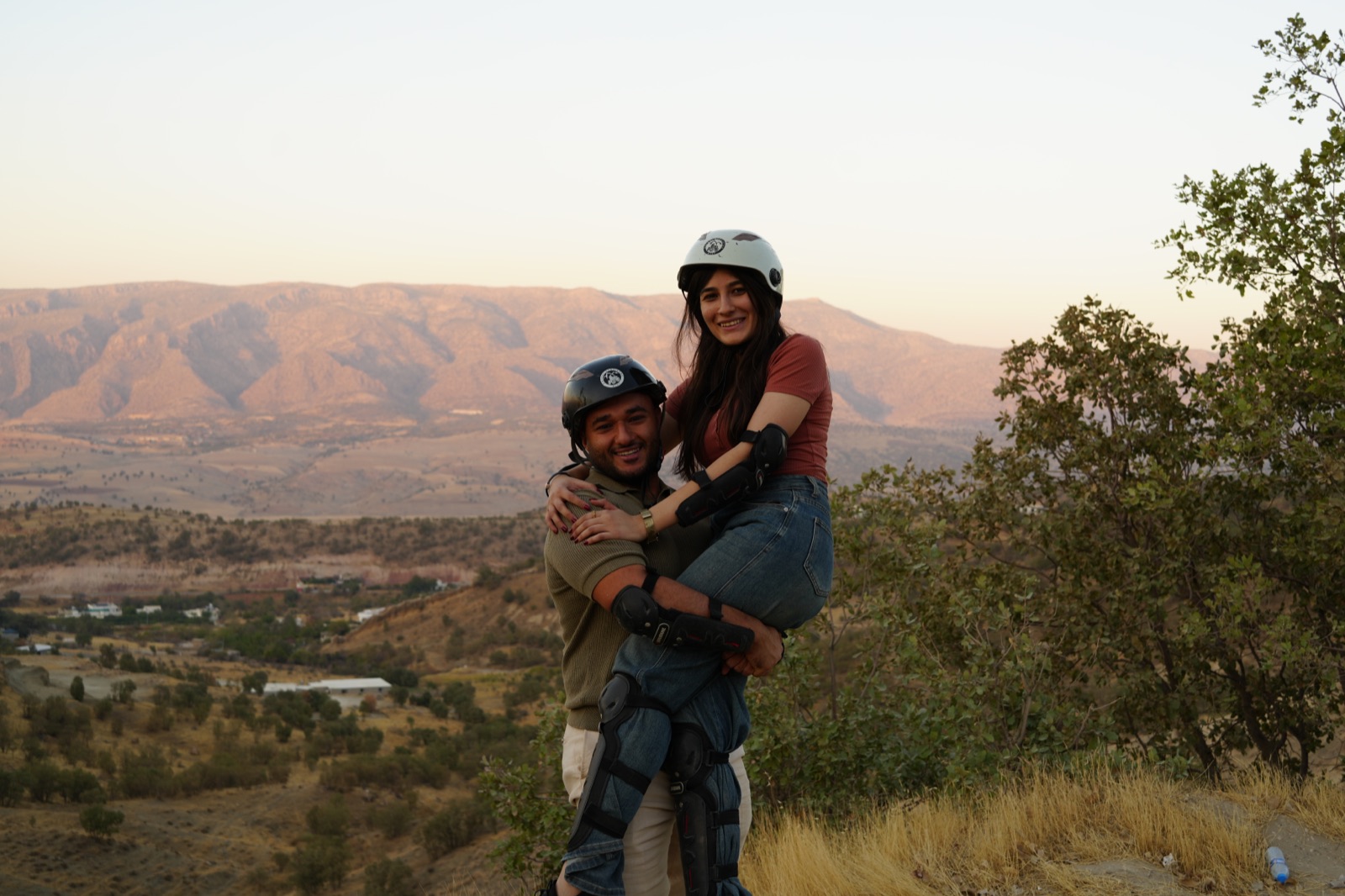
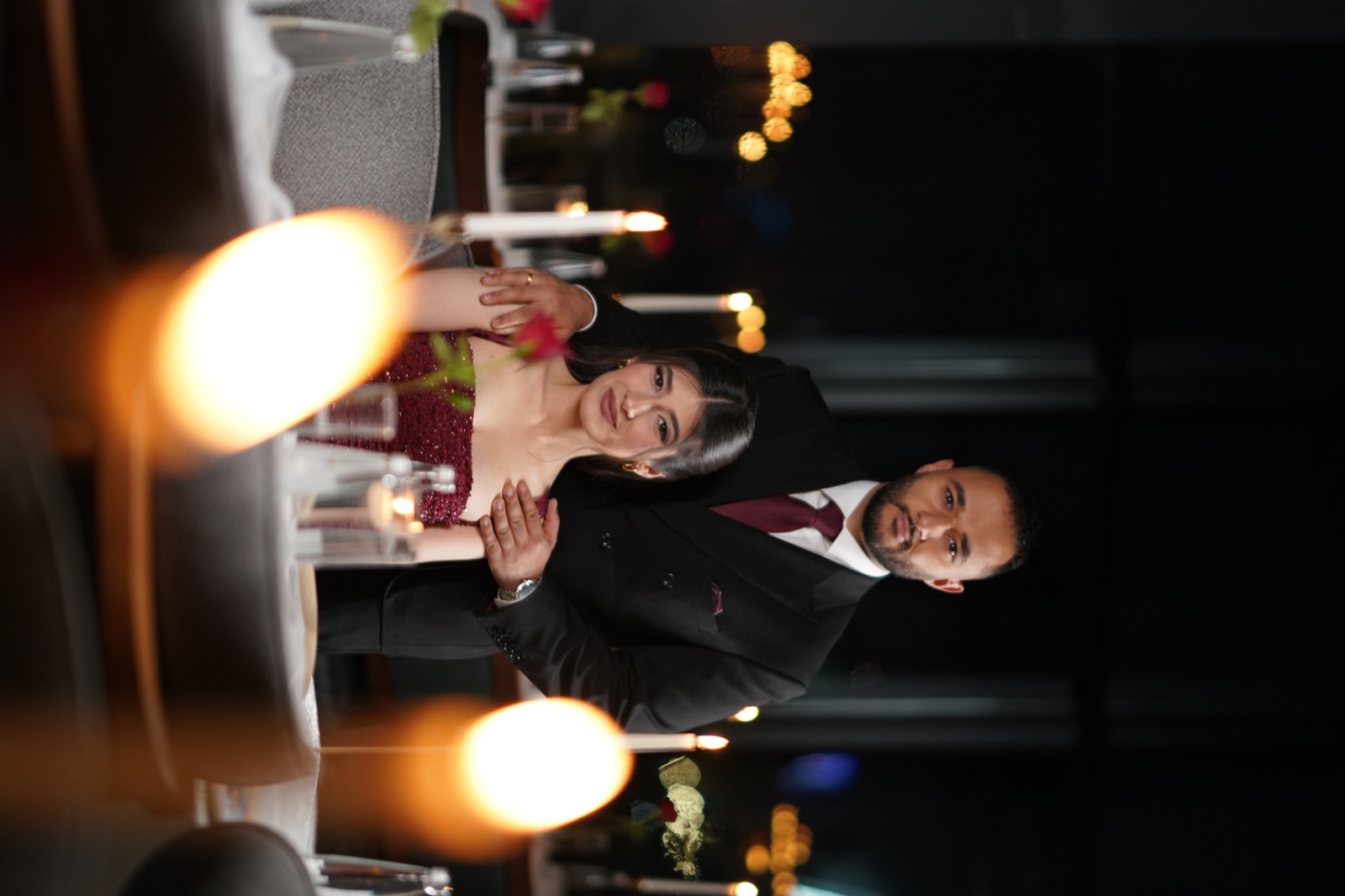
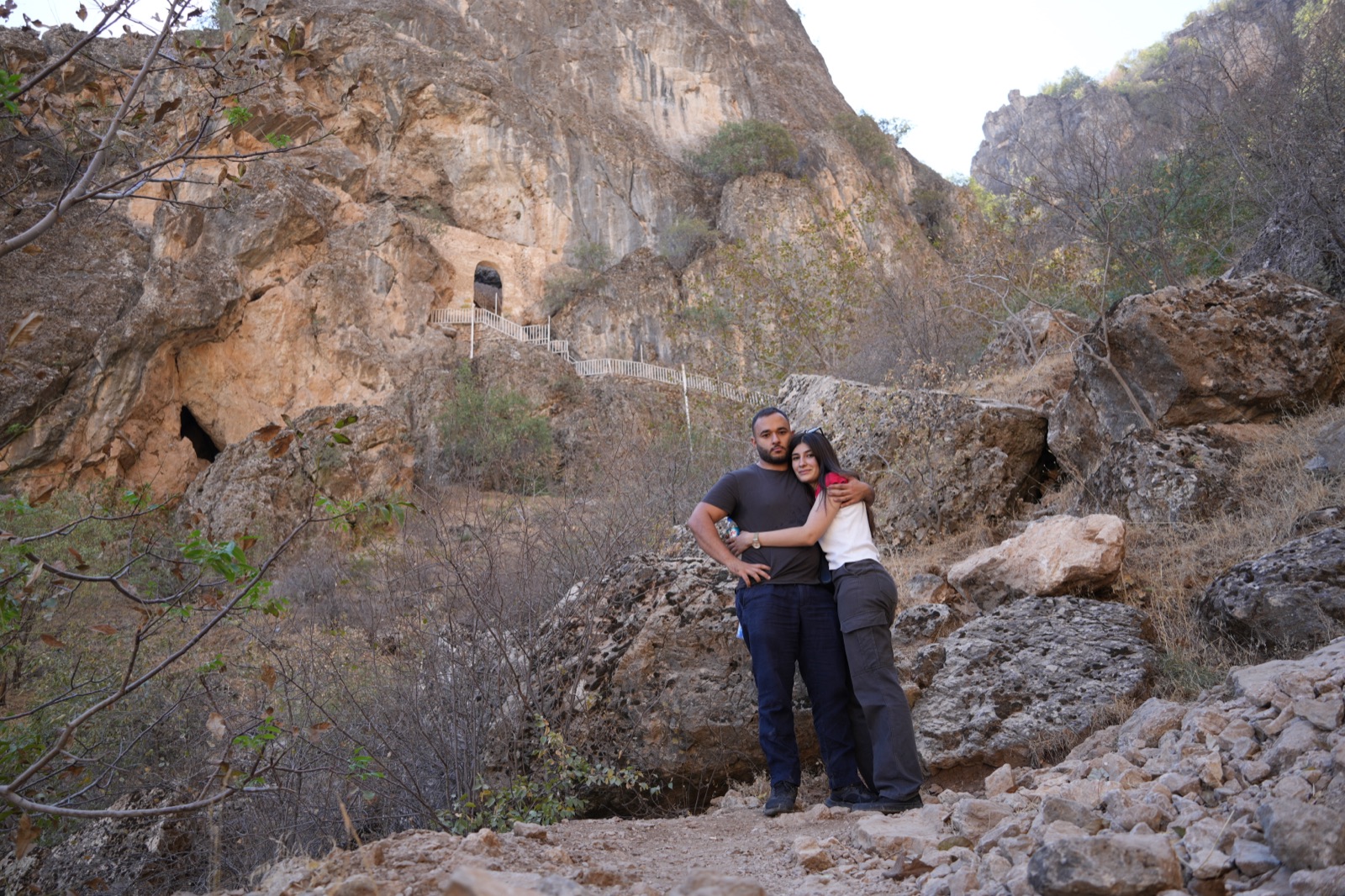
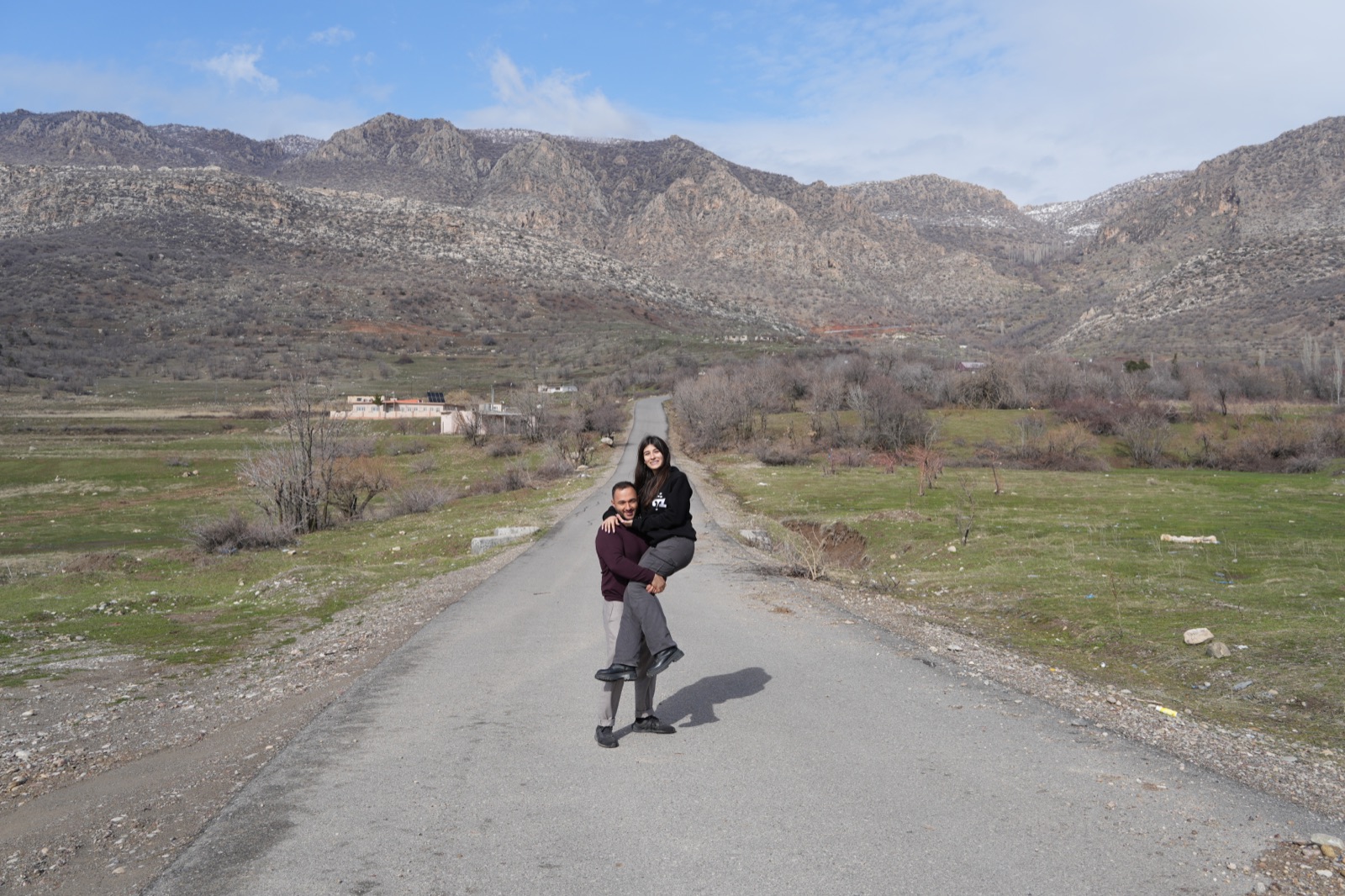
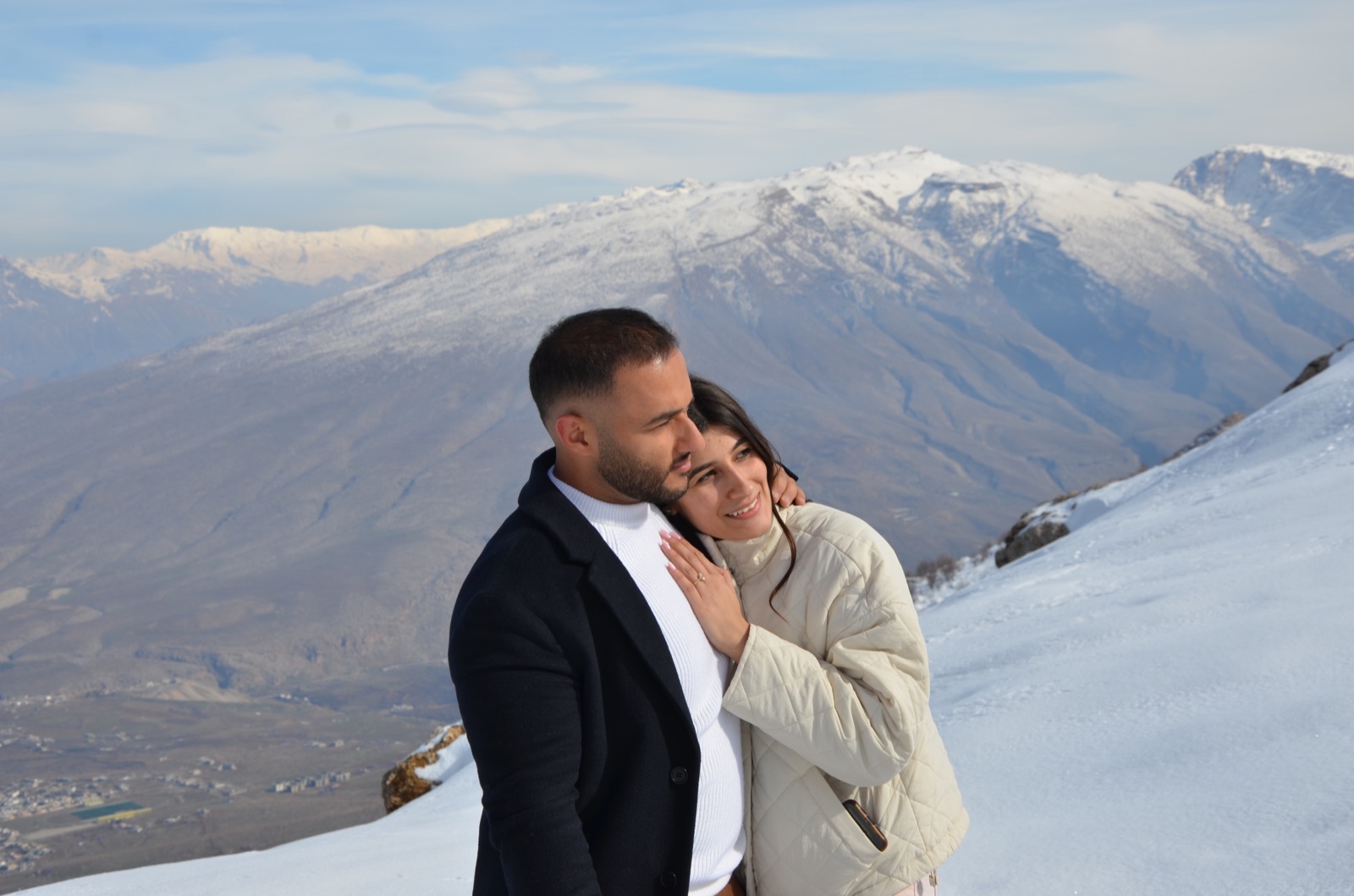
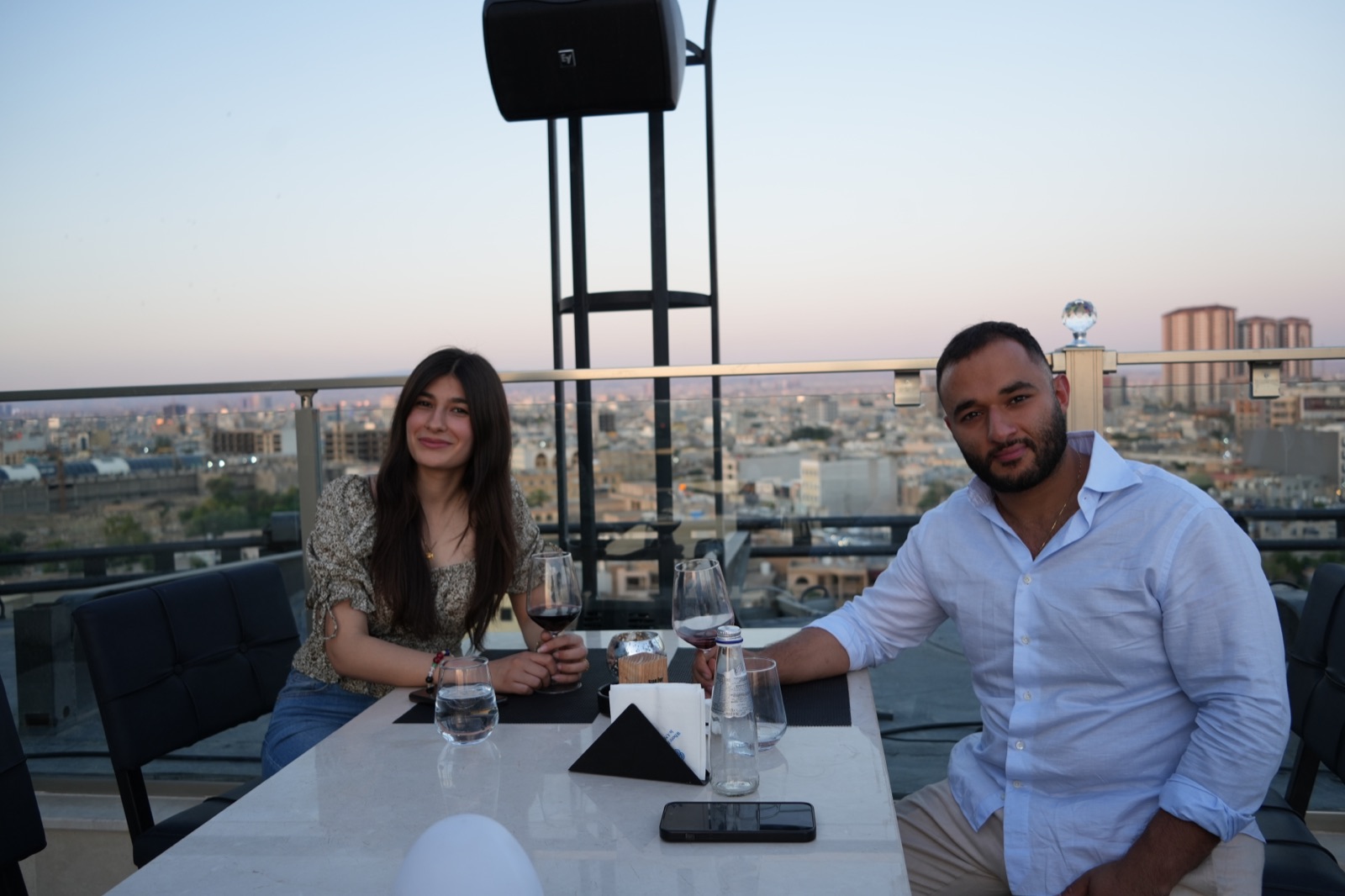
The etymology of N&A: the name Ninos comes from a mythical King who founded the ancient capital of Nineveh & the name Ashurena means "Assyrian" or "Assyrian woman".